 Ultimate guide
Common Reasons for Transmission Failure: A Diagnostic Guide
Last Updated: November 23, 2026
Quick Summary
The most common causes of transmission failure are excessive heat, contaminated or low transmission fluid, and normal wear and tear on internal parts like clutch packs and seals. Heat breaks down fluid faster than anything else, and once lubrication fails, internal damage accelerates. Mechanical problems and electrical faults in solenoids and sensors often overlap.
- Heat breaks down transmission fluid faster than anything else and accelerates internal damage.
- A slipping clutch pack generates heat, which degrades fluid and speeds up wear.
- Automatic transmissions most often fail from heat and neglected fluid changes.
- A fluid and filter change resolves many shifting complaints without a rebuild.
- Stop driving if the transmission slips badly, refuses to engage, overheats, or grinds.
Table of Contents
- Why Transmissions Fail: The Most Common Causes Ranked
- Early Signs of Transmission Problems You Should Never Ignore
- Symptoms-to-Cause Diagnostic Table
- What Can Be Mistaken for Transmission Problems
- Failure Causes by Transmission Type: Automatic vs. Manual vs. CVT
- How to Fix Transmission Problems Without Replacing It
- Car Transmission Problems Repair Cost: What Drives the Price
- Preventive Maintenance That Actually Extends Transmission Life
- When to See a Professional: Warning Signs That Need a Shop
- Frequently Asked Questions
Why Transmissions Fail: The Most Common Causes Ranked
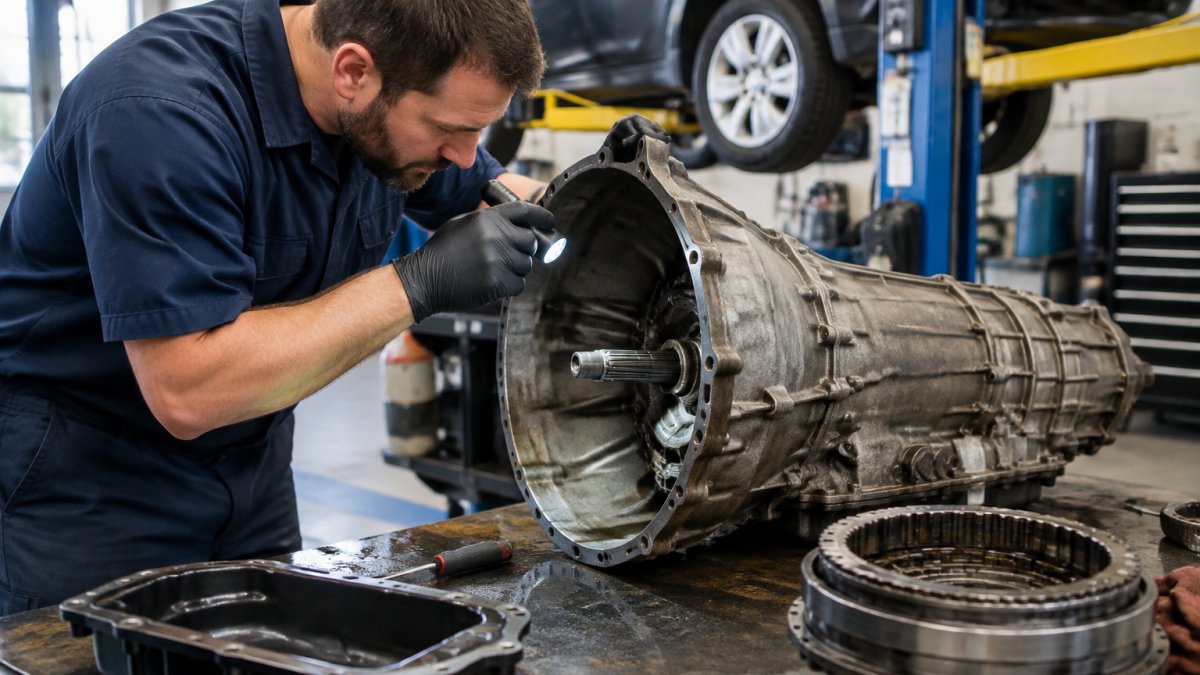
Transmission failure is the breakdown of the gears, clutches, seals, or electronic controls that send engine power to the wheels. At Dirks Automotive and Transmission, we've been repairing vehicles in Oroville and Chico since 1972, and the same handful of causes show up again and again. Heat sits at the top of that list, followed closely by contaminated or low transmission fluid and simple wear and tear on internal parts. Understanding why these failures happen is the first step toward catching a problem before it strands you.
Heat, Fluid, and Wear: The Big Three
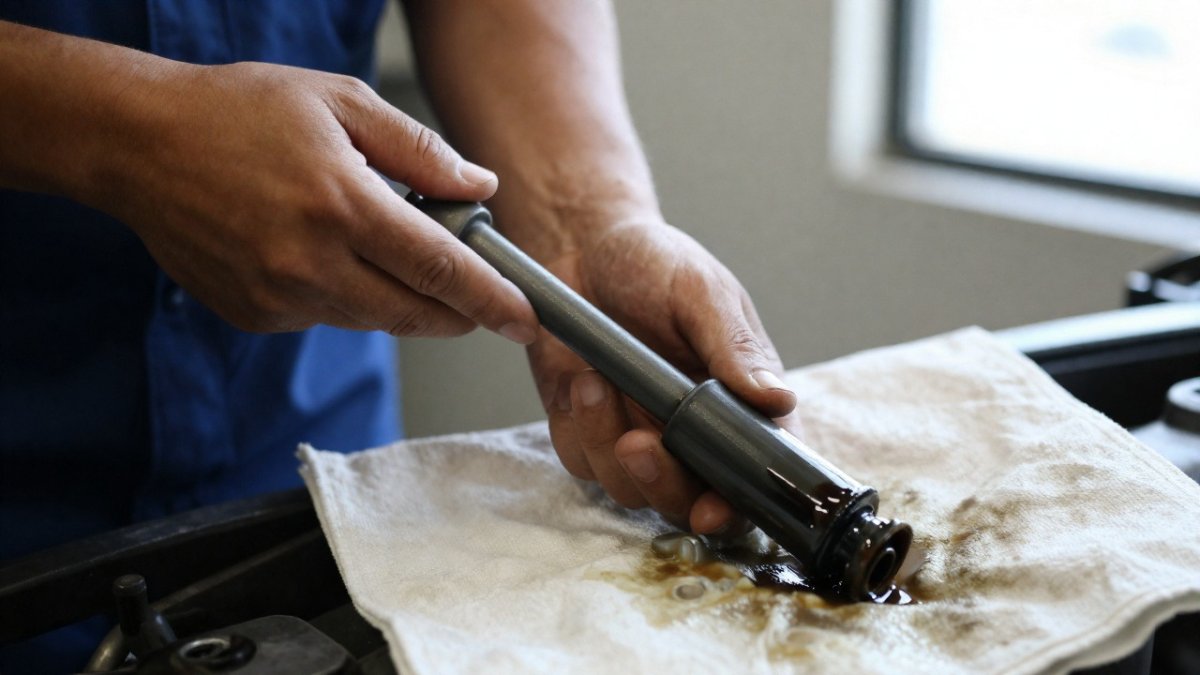
Excessive heat breaks down transmission fluid faster than anything else. Once the fluid loses its ability to lubricate and cool, internal damage accelerates. Low fluid level from a slow leak produces the same result, and fluid that has never been changed carries metal shavings and clutch material through the valve body. Wear and tear is the honest third: clutch packs and seals simply age out, especially on high-mileage vehicles.
Mechanical vs. Electrical Failure
Mechanical problems include worn clutch plates, a failing torque converter, broken bands, and damaged gears. Electrical problems center on solenoids, speed sensors, and the transmission control module. The two overlap more than drivers expect. A failing solenoid can cause rough shifting that, left alone, tears up the clutch packs. A proper diagnostic scan helps separate the two before anyone starts pulling a transmission.
Early Signs of Transmission Problems You Should Never Ignore
The earliest warning signs of transmission problems are delayed engagement when you shift into drive, slipping under acceleration, and a burnt smell coming from the dipstick. Catching these early is the difference between a fluid service and a rebuild, because most transmission damage compounds: a slipping clutch pack generates heat, heat degrades fluid, degraded fluid accelerates wear, and the cycle tightens until the unit fails.
Watch for these symptoms, ranked by what they usually mean:
- Slipping gears: the engine revs but the vehicle doesn't pull. Usually low fluid, low line pressure, or worn clutch packs. This is the classic early failure signal and rarely fixes itself.
- Delayed or rough shifting: a hard clunk or a pause going into gear. Often low fluid pressure, a failing pump, or a sticking solenoid. A single hard shift after a cold start can be normal; hard shifts every time are not.
- Refusal to shift: stuck in one gear, dropping into neutral, or refusing to engage reverse. Frequently a speed sensor, control module, or internal hydraulic fault. Stop driving.
- Leaking fluid: red or brown spots under the vehicle. Seal or gasket failure. A slow leak becomes a low-fluid problem, and low fluid becomes a burned unit.
- Grinding noise or vibration: felt through the floor or shifter. Internal gear or bearing damage. Continued driving turns a repairable problem into a rebuild.
- Check engine light: often paired with a diagnostic trouble code. The code tells you which circuit or sensor the control module flagged, which is why a scan comes before any teardown.
A useful way to triage what you're feeling is to separate symptoms by what they threaten. Fluid-related symptoms (leaks, burnt smell, slipping that worsens when hot) are the most forgiving if caught early. Electrical symptoms (a single gear stuck, a code for a solenoid or sensor) are often inexpensive to fix but can mask mechanical damage underneath. Mechanical symptoms (grinding, vibration, metal in the fluid) are the least forgiving and the most expensive to ignore.
Watch out: a transmission that slips only when hot is not a minor issue. Heat is the mechanism doing the damage, and every hot slip event shortens the life of the clutch packs.
If you notice an oil leak or strange behavior, our transmission frequently asked questions cover the questions drivers ask most, including whether a leak can wait. It can't.
Symptoms-to-Cause Diagnostic Table
Use this table to match what you're feeling to the likely cause. It's a starting point, not a verdict; a proper diagnosis confirms it.
| Symptom | Likely Cause | Urgency |
|---|---|---|
| Slipping gears, engine revs | Low fluid, worn clutch packs | High |
| Delayed engagement | Low fluid pressure, failing pump | High |
| Rough or hard shifts | Solenoid, valve body wear | Medium |
| Refusal to shift | Speed sensor, control module | Medium |
| Burning smell | Overheating, burnt fluid | High |
| Grinding noise | Internal gear or bearing damage | High |
| Fluid leak | Seal or gasket failure | High |
What Can Be Mistaken for Transmission Problems
A surprising number of "transmission problems" turn out to be something else entirely. A failing engine sensor, a worn motor mount, or low engine coolant can mimic the shudder and hesitation drivers associate with a bad transmission. A common mistake is authorizing a rebuild before anyone checks the basics.
A check engine light traced to an engine misfire is sometimes blamed on the transmission. Before you spend money, rule out the engine, the mounts, and the electrical system.
Failure Causes by Transmission Type: Automatic vs. Manual vs. CVT
Each transmission type fails in its own way. Automatic transmissions most often fail from heat and neglected fluid changes, which cook the clutch packs and valve body. Manual transmissions tend to fail from clutch wear and driver technique, especially riding the clutch or missing shifts that damage the gears. CVTs, with their belt-and-pulley design, are sensitive to fluid condition and often show failure as a shudder or whining noise before anything slips.
Driving conditions matter here too. Stop-and-go commuting, towing, and mountain grades all raise transmission temperature, and heat is the enemy of every type. If your driving pattern is hard on the unit, shorten your fluid change interval rather than stretching it.
How to Fix Transmission Problems Without Replacing It
Many transmission problems can be fixed without a full replacement. A fluid and filter change resolves a lot of shifting complaints. A faulty solenoid or speed sensor is a relatively small repair that restores normal gear changes. Valve body work addresses rough shifting before it damages the clutch packs. Replacement is the last resort, not the first.
Transmission services at Dirks Automotive and Transmission include maintenance, simple repair, and complete transmission rebuilds. You can see the full range of transmission maintenance and repair services. The right fix depends on the diagnosis.
Car Transmission Problems Repair Cost: What Drives the Price
Transmission repair cost depends on what failed, how deep the damage goes, and whether the unit needs to come out of the vehicle. Understanding the general cost tiers and the decision criteria can help you weigh whether to repair, rebuild, or replace.
The general cost tiers, from least to most expensive:
- Sensors, solenoids, and wiring: the smallest repairs. The unit usually stays in the vehicle, and the cost is dominated by diagnosis and labor access rather than parts.
- Fluid and filter service: inexpensive relative to any internal work, and the first step when shifting complaints are fluid-related.
- Valve body work: moderate. The valve body is accessible without a full teardown on many units, and it addresses rough shifting before clutch damage sets in.
- Internal clutch and band work: expensive. The unit comes out, which means labor hours dominate the bill.
- Rebuild or replacement: the top of the range. A rebuild restores the internals; a replacement swaps the unit. Warranty terms are worth comparing alongside the price.
What actually drives the number:
- Whether the unit must come out. Labor is the largest variable. A repair that stays in the vehicle costs a fraction of one that requires removal.
- Parts availability. Common units have plentiful rebuild kits and remanufactured replacements; rare or older units can push cost up through scarcity alone.
- How far the damage spread. Metal debris from a failed part circulates through the valve body and cooler, so a late diagnosis often means replacing or flushing components beyond the original failure.
- Vehicle value. On an older vehicle, a rebuild can approach or exceed the vehicle's value, which changes the math on whether to repair at all.
Repair-versus-replacement decision criteria:
- Repair when the fault is external or accessible: a sensor, solenoid, wiring fault, or valve body issue, and the internals show no debris.
- Rebuild when internals are worn but the case and hard parts are serviceable, and the vehicle is worth keeping.
- Replace when the case is damaged, hard parts are beyond spec, or a remanufactured unit with a stronger warranty is the better value.
- Walk away when the repair cost approaches the vehicle's value and the rest of the vehicle doesn't justify it.
Watch out: a quote given before the pan comes off is a guess. Metal in the pan, burnt fluid, and code history all change the number, and any shop that quotes a transmission repair sight unseen is guessing.
Because pricing varies so much by vehicle and diagnosis, we don't quote a number before we've inspected the unit. If cost is on your mind, check our current service specials and coupons before you book. The honest answer to "how much" is: it depends on the diagnosis, and the diagnosis is the part worth paying for.
Preventive Maintenance That Actually Extends Transmission Life
The single most effective habit is changing transmission fluid on schedule, before it breaks down. Check the fluid level and condition regularly, and address a slow leak immediately rather than topping it off forever. Keep the cooling system healthy, since a transmission that runs hot wears out early. Ease off the throttle when towing, and let the vehicle come to a full stop before shifting between drive and reverse.
For drivers who want specifics on fluid and lube intervals, our transmission care tips break down what different vehicles need. Preventive maintenance is cheaper than a rebuild every time.
When to See a Professional: Warning Signs That Need a Shop
Some symptoms mean stop driving and call a shop. If the transmission slips badly, refuses to engage, overheats, or makes a grinding noise, continued driving turns a repairable problem into a rebuild. A flashing check engine light or a burning smell are the same signal. When in doubt, have it inspected.
Dirks Automotive and Transmission's ASE Certified Technicians use state-of-the-art diagnostic equipment. If you've been bounced between shops, a thorough diagnosis can make a difference. When you're ready, you can schedule an appointment.
A transmission that's slipping, leaking, or shifting hard won't fix itself, and waiting usually makes the repair bigger. Dirks Automotive and Transmission has served drivers since 1972 with ASE Certified Technicians, state-of-the-art diagnostic equipment, a written Quality Assurance Program, and a free local shuttle so you're not stranded during the repair. Get started with Dirks Automotive and Transmission and get an honest diagnosis before the problem gets worse.
Frequently Asked Questions
What is the most common cause of transmission failure?
Excessive heat is the leading cause. Heat breaks down transmission fluid, which reduces its ability to lubricate and cool internal parts. Over time, this leads to worn clutches, damaged seals, and metal-to-metal contact. Low fluid levels from a leak or neglected maintenance accelerate the problem. In automatic transmissions, heat damage often shows up as slipping or delayed engagement before a complete failure occurs. Regular fluid checks and addressing leaks early are the best defense.
What mimics a failing transmission?
Several issues can feel like transmission failure but originate elsewhere. A failing throttle position sensor or mass airflow sensor can cause erratic shifting. Worn spark plugs or a clogged fuel filter can create hesitation that feels like slipping. Low tire pressure or a dragging brake can cause the vehicle to feel underpowered. A check engine light with a code for a speed sensor or solenoid often points to an electrical fault rather than internal mechanical damage. A proper diagnostic scan separates these from true transmission problems.
Can transmission failure be fixed without replacing the transmission?
Yes, many transmission problems are repairable without a full replacement. Fluid and filter changes resolve issues caused by dirty fluid. Solenoid replacement, speed sensor replacement, and valve body repair address electrical and hydraulic faults. A transmission control module reflash or replacement can correct software-related shifting problems. Even some internal wear issues, like a worn clutch pack or bearing, can be repaired by a qualified shop. A full replacement is typically the last resort after diagnosis confirms extensive internal damage.
What happens right before a transmission goes out?
Warning signs usually appear before a complete failure. You may notice slipping between gears, delayed engagement when shifting from park to drive, or a burning smell. The check engine light or a transmission warning light may illuminate. Some drivers experience grinding or whining noises, vibrations, or the vehicle refusing to shift into certain gears. In some cases, the transmission enters limp mode, limiting speed to protect itself. Addressing these early signs with a diagnostic inspection can prevent a roadside breakdown.
What can cause sudden transmission failure?
Sudden failure often stems from a catastrophic event rather than gradual wear. A severe fluid leak can drain the transmission in minutes, causing immediate overheating and internal damage. A broken pump or a failed torque converter can stop fluid circulation instantly. Electrical failures, such as a shorted solenoid or a failed transmission control module, can cause the transmission to stop shifting altogether. In some cases, a cracked valve body or a broken band can cause sudden loss of drive. Regular inspections help catch precursors before they become sudden failures.
How can you prevent transmission failure?
Preventive maintenance is the most effective strategy. Check transmission fluid level and condition monthly, and address any leaks immediately. Follow the manufacturer's recommended fluid change interval, which often falls between 30,000 and 60,000 miles depending on driving conditions. Avoid excessive heat by not overloading the vehicle and by using the correct fluid type. For vehicles used for towing or in stop-and-go traffic, consider more frequent fluid changes. A professional inspection can catch early signs like worn mounts or minor leaks before they escalate.
